
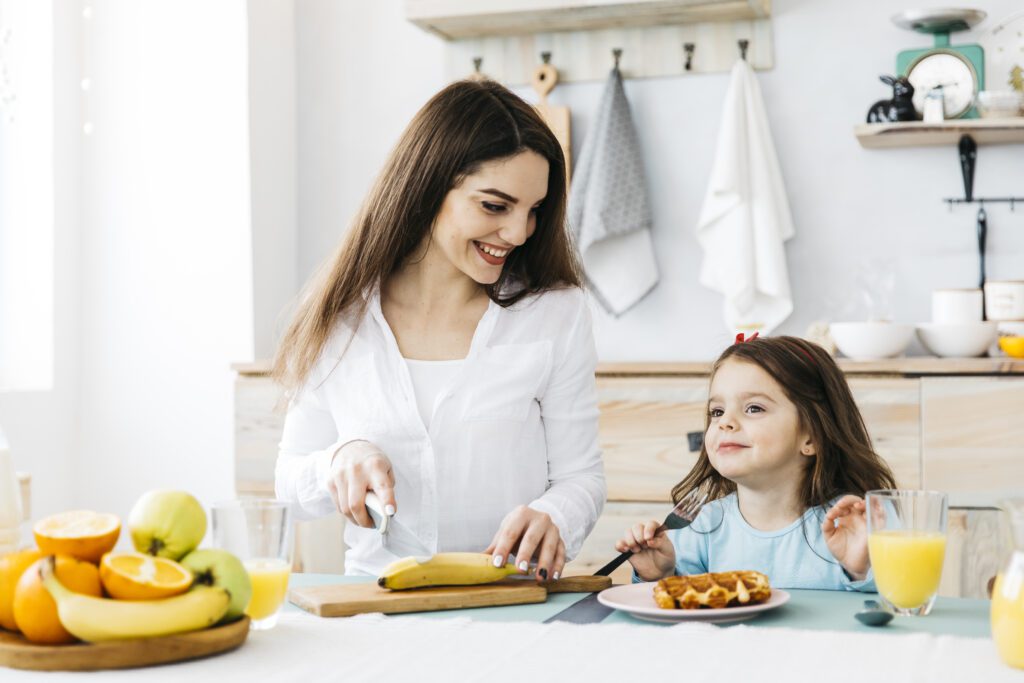
“Easy, healthy morning routines for school don’t have to be a struggle—discover stress-free habits that energize your kids and start their day right!”
Build a Stress-Free, Healthy Routine for Your School Kids & Toddler
Setting up a regular daily schedule and healthy routine for your toddler may seem overwhelming, but it can quickly become one of your biggest parenting wins. Kids this age thrive on routine. When they know what happens next—after breakfast, there’s brush-your-teeth time, after story time, there’s nap time—they feel safer and more in control. That little bit of predictability reduces power struggles and makes it easier for everyone to get through the day without yelling or tears.
Why Toddlers Do Better with a Routine?
Picture your toddler standing in the middle of a busy classroom. Everything is loud, bright, and half out of reach. That’s how the world often feels to little ones at home, too. They can’t see the schedule you carry in your head, so every change—from lunch running late to bath time suddenly happening after the park—hits them like a pop quiz. A daily rhythm gives those tiny brains an anchor. It whispers, “I know what comes next; I can handle this.”
Family bonding over mealtime is a key part of building a healthy routine for your toddler. That’s especially true when creating easy, healthy morning routines for school that blend connection, care, and calm.
Here is the framework, not prison walls. You aren’t chaining your child to a clock; you’re lending them a soft outline to color in. Once they understand the big steps, they gain the confidence to fill in the details on their own.

Why Healthy Routines for Your Toddler Matter
Every parent has probably noticed how a predictable day can suddenly turn calm. That’s because routines do more than fill out a calendar. When a child knows the steps ahead—breakfast is followed by brushing teeth, then playtime—they can lean into each moment with confidence. These easy, healthy morning routines for school help form habits that last into student years.
Here are a few ways routines help toddlers grow:
-
Trust and Safety. The simplest morning ritual gives kids a sturdy anchor.
-
Brain Boost. Consistency helps the prefrontal cortex, which plays a crucial role in supporting impulse control.
-
Less Drama. A familiar routine reduces stress during transitions.
-
Mini Independence. Toddlers gain pride in managing their routine.
-
Team Player. Cooperation grows when expectations are consistent.
What Does a Toddler-Friendly Routine Look Like?
Let’s be clear: “routine” doesn’t mean military timing. A toddler-friendly plan flows loosely through the day. You can adapt this for easy, healthy morning routines for school when your toddler becomes a preschooler.
-
Predictable Steps. Eat, play, rest, wash, sleep.
-
Small Choices. Let them pick their shirt or playtime activity.
-
Time to Wander. Detours (like butterfly chasing!) teach curiosity.
Key Parts of a Daily Healthy Routine for Your Toddler
Morning Routine (Bath, Breakfast)
Mornings set the tone for the whole day, and easy, healthy morning routines for school begin right here:
-
A quick cuddle or cheerful wave
-
Getting dressed together
-
Brushing tiny teeth
-
Fun, filling breakfast
-
Chatting about the day’s plan
Even a trip to the store feels like an adventure when framed playfully: “After toast, we’re off on our little adventure!”
This also builds the base of a 3-year-old toddler routine that works beyond preschool.
Midday Routine (Lunch, Nap, Play)
A consistent midday flow builds confidence:
-
Lunch on schedule
-
Quiet story time or sensory play
-
A restful nap
-
Independent or outdoor play
These steps are essential in developing a healthy routine for a student later on.
Evening Routine (Wind Down, Bath, Sleep)
A strong evening pattern sets up restful nights:
-
Dinner and bonding time
-
Bath and bedtime prep
-
Pajamas, lullaby, cuddles
This baby and toddler bedtime routine reduces nighttime battles and boosts emotional security.
How Routine Charts Help Toddlers Feel in Control
A toddler routine chart with pictures makes your child the hero of their day. Rather than constant reminders, they can check “what’s next” visually.
Even better? It grows with them—perfect for adapting easy, healthy morning routines for school in the years ahead.
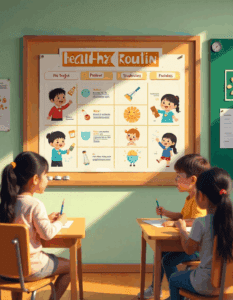
Visual Routine Chart Ideas
Use real photos of your child doing each task. This helps make the routine relatable and builds a sense of ownership in their toddler’s activity to promote healthy routine learning.
Exploratory Time Within the Routine
Routines should allow space to wander. Whether it’s:
-
Smelling every flower
-
Watching ants
-
Splashing in puddles
These detours spark creativity and nurture independent thought.
Soothing Transitions
To smooth transitions, try:
-
5-minute countdowns
-
Fun choices: “Hop or crawl to the tub?”
-
Silly songs as cues
These tricks turn chaos into cooperation.
Let Kids Feel Grown-Up
Build confidence with little wins:
-
Let them pick clothes
-
Use stools for brushing teeth
-
Choose steps on the toddler routine chart
What Gets Routines Off Track?
Perfection isn’t the goal. Avoid these pitfalls:
-
Rigidity
-
Inconsistency
-
Constant changes
-
High expectations on Day 1
The goal is steady, not strict.
Adjusting Routines Gracefully
Change is normal. Here’s how to introduce it:
-
Talk ahead of time
-
Let your child feel involved
-
Use playful language: “We’re going on a cozy adventure today!”
-
Reassure them that routines will return
This is helpful when easy, healthy morning routines for school are disrupted by holidays, illness, or travel.
FAQs
1. What schedule works for a 2-year-old?
Start with wake-up, meals, naps, play, and wind down.
2. Why use a routine chart?
It builds independence, limits meltdowns, and is great for prepping easy, healthy morning routines for school.
3. What if my child resists?
Start small. Offer choices. Use visuals and praise progress.
4. Is it okay to skip parts sometimes?
Yes! Routines should flex when needed.
5. How do I introduce it gently?
Use calm time for explanation. Let them help design the chart.
6. Can I make my chart?
Photos, crayons, and imagination encouraged!
Conclusion
Creating calm, predictable days starts with easy, healthy morning routines for school and beyond. You don’t need perfection—just a little consistency, visuals, and kindness.
Grab your markers and cardboard. Choose one routine to focus on. Watch the transformation in your child and yourself.