

Table of contents:
- 7 Steps to Choosing the Right Preschool for kids
- Introduction: What is preschool?The Challenge of Choosing the Right Preschool.
- Step 1: Grasp Your Child’s Unique Requirements. Advanced Emotional and Social Development.
- Learning Style and Character.
- Step 2: Determine What ‘Best’ Means For You. Balanced Learning vs Safety Concerns.
- Step 3: Investigate The Different Types of Preschools.
- Montessori
- Emilia Reggio Approach
- Waldorf
- Other Structured Preschools
- Step 4: Where to Start Your Search. H3 Reviews and Parenting Forums.
- Tiered Community Groups. H3: School Visits and Open Days.
- Step 5: Go to Different Preschools: What To Observe.
- Class Setting H3: Teacher’s Qualifications and Student Quantity Ratios.
- Daily Schedules and Activities.
- Step 6: Ask Proper Questions On
- Children’s Engagement Policies
- Health Regulations.
- Step 7: Trust Your Gut As a Parent. Logical And Emotional Balance
- Real Family Testimonials: Insights Gained
- Queries: All you need before admissions
- In Closing: Parenting Makes Your Child Take The First Steps To Explore New Horizons.
Introduction: The Preschool Dilemma
What is preschool?
Preschool is a learning environment for children 3 to 5 years old before compulsory education starts. It’s also called nursery or pre-primary in some countries. It’s usually privately run, though in some cases it might be government-run. In some countries cost of preschool is subsidized for parents.
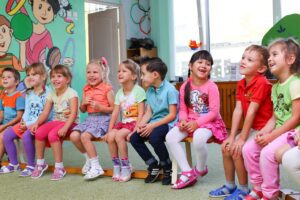
It can feel as if you are shopping for the best preschool out there. You aren’t just searching for a facility to teach your child their ABCs; rather, you are selecting a community from which they will grow outside of home. A place where they will laugh, explore, and maybe even shed a few tears. The decision is emotional, and a little fear is fine too.
With this guide article, we provide a 7-step proven approach curated from real-life experiences and expert recommendations that will help you choose the preschool that is best for your child. Whether you are a first-time parent or are looking to shift your second child from a daycare, this article will make your journey easier.
Step 1: Analyze Your Kid’s Specific Requirements
Emotional and Social Readiness
Every child is different and develops at their own pace. Some may be emotionally ready for preschool as early as 2.5 years old, while others might take longer. Consider your child’s social behaviors. Do they want to get involved with their peer group? Are they able to follow simple directions? Are they able to spend short intervals away from you?
Learning Style and Personality
Is your child an explorer— a subclass of a hands-on learner who is always discovering new things? Or do they prefer some solitude with books and puzzles? Some children flourish in organized settings, whereas other children thrive in unstructured free play. Understanding their learning style benefits in choosing a preschool that perfectly suits their needs.
Step 2: Clarifying What “Best” Means To You
Academic Focus vs. Play-Based Learning
A section of parents wish for a strong academic curriculum, and some prioritize creativity alongside social skills. One family’s ideal preschool might be another family’s nightmare. Research indicates that play-based programs encourage creativity, self-sufficiency, and emotionally intelligent problem-solving skills, all invaluable for the future and necessary in the modern world.
Concerns About Safety and Security
Student safety always comes first and is a top priority. Pay attention to the following:
Cameras
Restricted entrances, Verified staff
Set policies regarding student health and emergencies
Some schools even offer live streaming for parents. Determine what options allow you the most peace of mind.
Step 3: Research Other Offered Types of Preschool
Montessori
Emphasizes independence, self-directed activity, freedom within limits, and respect for a child’s natural development. Children make choices and Activities at the sets and learn at their own pace.
Reggio Emilia
This approach is characterized by project work focused on the arts. It is also the documentation of children’s work and the presence of natural materials that serve as aids and resources. Children and teachers learn together as co-learners.
Waldorf
This curriculum is rooted in the arts and emphasizes imaginative play, regularity, and rhythm. Academics are taught later. Storytelling, nature, and creativity form the heart of this approach.
Traditional Preschool Programs
These have a more set syllabus where children learn through structured play in a teacher-managed setting. Great for parents who expect order and academic disciplines.
🔍 Step 4: Where to Start Your Search.
Reviews and Parenting Forums Start with these sites:
GreatSchools.org
Google Reviews
Local Facebook parenting groups
Learn what other parents have to say. Local Community Networks
A WhatsApp group for moms within the neighborhood might be helpful. Seek suggestions from parents who think along the same lines about parenting.
School Visits and Open Houses
There is no comparison to touring the school. Watch how teachers engage with the children. Is the atmosphere friendly and inviting?

👀 Step 5: Visit the Preschools – What to Look For
Classroom Environment
Are the classrooms neat and organized? Are they child-friendly? Are there centers for learning such as reading corners, arts and crafts, STEM, etc?
Teacher Credentials and Student Ratio
Check for:
Verified ECE’s Lower student/teacher ratio (ideally 1:6 for younger children), Schedules, and daily activities
A balanced routine includes:
Free playtime, Structured learning, Snack time, Outdoor playtime, Nap time
Feel free to request a sample schedule. This will help to know how your child’s day will be structured.
Step 6: Ask The Most Relevant Questions
If you’ve reached out to the preschool, visited the facility, or had a call with the administration staff, ask your questions. Consider the following three areas that will structure your questions.
Questions About Curriculum
What is your educational philosophy?
Is the curriculum more structured than play-based?
How do you integrate math, literacy, and science into the learning processes?
Sample lesson plans and yearly curriculum outlines should be available upon request, so be bold and ask.
Behavior Management Techniques
Academics aside, discipline and social emotional learning are equally as imperative.
How do you address challenging behaviors?
For example, do you believe in time-outs, redirection, or punishment/reward systems?
What are the methods for teaching emotional and social skills?
Your answer should be about what you want for your child and your parenting approach.
Health Policies and Safety Measures
This area is critical now more than ever due to COVID-19.
What is your policy on sick children attending class?
Do you employ teachers who have current first-aid and CPR certifications?
What are the allergy, sanitation, and emergency procedure protocols?
Step 7: Making the Final Decision
It is important to understand that selecting preschool is not about finishing a checklist. It’s your feelings that matter too.
Trusting your instinct as a parent
Were you made to feel at home on your visit? Were the staff warm and caring with your child? Trust your feelings; they will always guide you correctly because they know your child well.
Balancing Logic and Feeling
Give time to both heart and head:
Create a list of pros and cons
Look back at your child’s needs
Reassess your top 2-3 options
Your first option may not be the most ideal one after going through all the steps, and that’s completely fine.
Real Parent Experiences: What They Learned
Check out the experiences of some parents we spoke to about their preschool journeys.
Aisha, Mom of Two
“I became fixated on searching for a ‘top-rated’ preschool. However, my son’s face brightened at the small Montessori preschool’s entrance changed everything. When the teacher greeted him by bending down, and he hugged her legs, that was the moment I realized this was his place.”
David, Single Dad
“I was about to settle for a pricey school, but then I thought about my daughter’s needs. We found a close co-op school, and I get to volunteer there. She’s grown so much since we made that switch.”
Priya, Working Mother
“My priorities were safety and adaptable hours. The daycare I chose maintained a secure system that updated me in real-time, so now I work without fretting.”

Conclusion: Your Child’s First Big Step Starts with You
Preschool is more than a physical location—it’s an instigator for preschool learning that lasts a lifetime. And as a parent, you are the one guiding that journey.
You set the foundation by understanding your child’s needs, defining your family’s values, exploring options, and trusting your instincts. This will greatly help in making decisions that foster confidence, curiosity, and the joy of learning.
Enjoy the process. Schedule visits to multiple schools. Speak with other parents. Most importantly, understand this— you are not picking a school. You are choosing a beginning.
FAQs: Everything You Need to Know Before Enrolling
- At what age should my child start preschool?
Most kids start attending school between 2.5 to 4 years old. The ideal age is determined by your child’s emotional, social, and physical development. - How important is the school’s accreditation?
Extremely. Unaccredited schools do not operate under strict quality measures. Look for affiliations like NAEYC or local early education boards. - Is play-based learning effective? Absolutely! It promotes the development of creativity, communication, and critical thinking skills, which are fundamental for success in the future. No—that’s quite the opposite—normal. Typically, separation anxiety subsides in a few weeks. Consistency and talking to the teachers go a long way.
- What’s the ideal teacher-child ratio?
For toddlers: 1:4 to 1:6. For preschoolers: 1:8 to 1:10. Lower ratios result in more focused attention and oversight.
5. Can I switch preschools mid-year?
Yes, but it is only advisable if necessary (i.e., bad fit, safety concerns). Kids thrive on reliance for their emotional development.
For more parenting tips and kids fashion blogs, visit https://noorkidsclothing.com/