
“Hey, Mama! Please note that some of the links in this post are affiliate links. This means that if you click and make a purchase, I may receive a small commission at no additional cost to you. I only recommend items I truly love!
| Title Placeholders | |
|
|
Cultural Activities for Kids – Over 25 Innovative Concepts To Make Learning Energetic and Cultural |
|
|
Introduction: Why Cultures is Important The Educational Development of a Child |
|
|
What are Cultural Activities? |
|
|
Benefits and the Importance of Educational Culture For Students at the Elementary Level |
|
|
Introducing Concepts of Culture to Young Learners |
|
|
Activities with a Cultural Theme to be Done in School |
| 1. World Cuisine Day | |
| 2. Dress Like Your Favorite Culture Week | |
| 3. Cultural Music and Dance Performance | |
| 4. Arts and Crafts from all Over the World | |
| 5. Languages Corner | |
| 6. Storytelling Hour | |
| 7. Multicultural Bulletin Boards | |
|
|
Easy Cultural Tasks to Be Done by Parents with Their Children at Home |
| 1. Prepare a Recipe from Different Countries of the World. | |
| 2. Make a Culture Box | |
| 3. Educational Animation and Documentary Films from Other Countries | |
| 4. Countries Craft Activity | |
|
|
Culture Enrichment Activities in the Classroom Setting |
| 1. Culture Journal | |
| 2. Pen Pal Program | |
| 3. Show and Tell from Other Cultures | |
|
|
General Recommendations for Teachers’ Candidness in Cultural Activities |
|
|
Questions and Answers of the Day – Activities with Culture for Children |
|
|
Final Statement: Building a Culturally Rich World |
Why Cultures are Important The Educational Development of a Child
Culture is much more than language, food, or music; it exemplifies one’s way of living.
Fostering love and inclusivity in children can be done by teaching them to appreciate different cultures. In this globalized world, it is more important than ever to develop children into compassionate citizens by fostering cultural understanding from a young age.
What Are Cultural Activities for Kids?
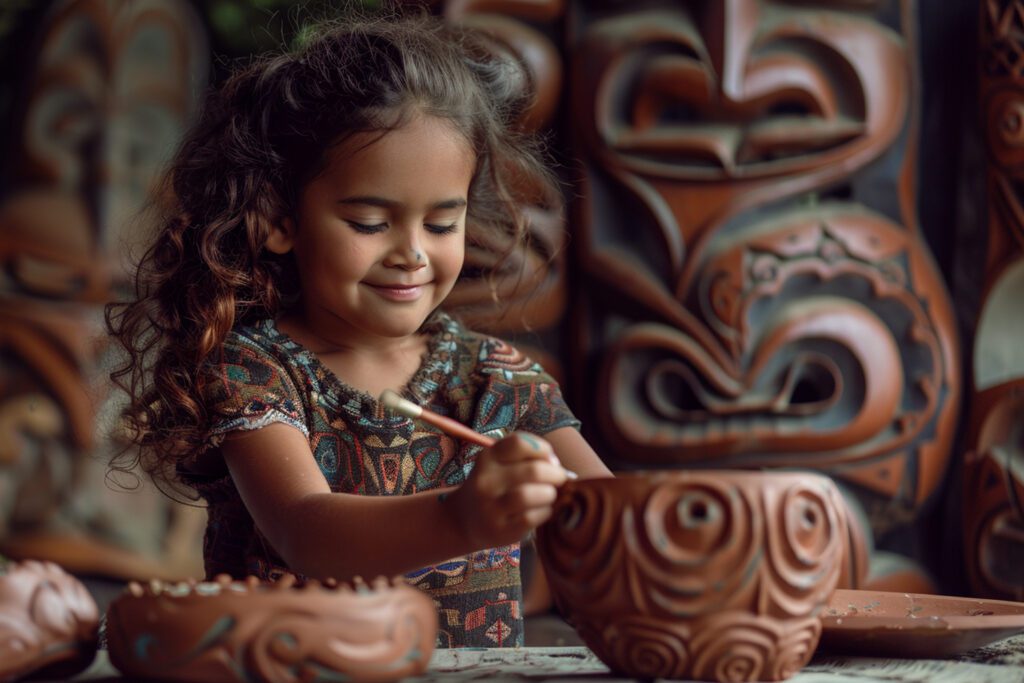
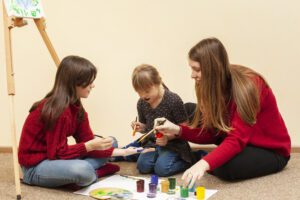
Cultural activities for kids encompass everything that allows children to engage with varying aspects of cultures like customs, food, languages, holidays, and art. Some examples include trying a new dish, learning a new recipe, making art, listening to stories, and dancing to folk music.
These activities not only enhance learning but also provide a fun way to connect lessons to the outside world.
Click and buy from AliExpress
The Importance of Cultural Activities for Primary Students
Cultural exposure should start at an early age, since young children have a completely different perspective of the world. Through cultural activities encapsulated in elementary education, children can:
Cultivate an appreciation for diversity
Encourage curiosity that embraces the world
Enhance social and communication skills
Explore their own identities
Cultural activities in primary education are not just beneficial, but a source of power.
Benefits of Cultural Activities for Students
The value of cultural activities fosters positive growth and development in students through the following ways:
Benefit Description
Global Citizenship Understanding other ways of living, celebrating, and customs helps promote world unity. Respect & Empathy, Children are more accepting and tolerant.
Enhanced Communication Engagement with different languages enhances both verbal and nonverbal communication.
Creativity includes music, dance, art, and storytelling from different cultures.
Critical Thinking supports comparisons, questioning, and understanding at deeper levels.
Introducing Cultural Concepts To Young Learners
To make cultural concepts more accessible to children:
Use stories, videos, and music from other countries.
Celebrate international festivals in school.
Use maps, flags, and other cultural posters inthe classroom.
Speak with different culture guest speakers.
Induce global issues in artwork and writing lessons.
A list of cultural activities in school:
International Food Day
Bring dishes from their culture to share with classmates.
Write about the food’s history and do a bit of research.
Cultural Dress-Up Week
A week-long event where students wear the traditional outfits of their country.
History and Geography linkage as students prepare to share why they chose that outfit.
Folk Dance & Music Shows
Involves local and world dance styles, which students perform to their choreography.
Art from Around the World
Create cultural masks or set patterns to sew out of preselected textiles.
Language Learning Corners
Telling some short bits in different languages in like a game show setting.
Cultural Storytelling Hour
Makes it easier to read legends and folk tales from across the world.
Multicultural Bulletin Boards
Make boards that show students’ work and artworks that represent different languages.
Easy Culture Activities for Kids at Home are:
1. Global Recipe Night
Invent a meal from different countries and create a tag that shows what that country is famous for the meal.
2. Make a Culture Box
Put together a shoebox containing small items that symbolize a country.
3. Watch Documentaries or Cartoons of Other Cultures
Cultural material is abundant for children on YouTube and Netflix.
4. Conversation Through Traditional Crafts
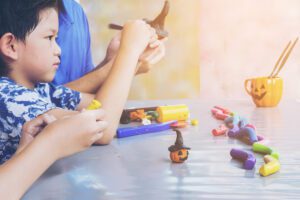
Engage in traditional crafts like weaving, origami, or making dream catchers while talking about their history and importance.
Culturally Responsive Classroom Activities for Students
- Culture Journal
Have students record what they discover about different cultures through writing or illustrations.
- Pen Pal Program
Correspond with students from other countries by sending letters or through video chat.
- Other Cultures Show and Tell
Invite students to bring an item from home representing their culture and share it with the class.
Cultural Activities For Children: Culturally Inclusive Tips For Educators
Develop and avoid cultural stereotypes
Allow learners to share their personal and family background experiences.
Provide diversified views on an issue.
Communicate using clear, age-appropriate, and easy-to-understand language.
Focus on both similarities and differences between cultures during celebrations.
Every single child must feel included and appreciated.
FAQs – Cultural Activities for Kids
Why are cultural activities essential in schools?
They encourage inquisitiveness, inclusivity, and respect.
How can I make cultural lessons enjoyable for children?
Through engaging them in hands-on activities like games, crafts, food, and music.
1. What are simple cultural activities for kids at home?
You might try creating cultural meals from world cuisines, viewing documentaries, or engaging in other culturally themed crafts.
2. Can cultural activities for kids be designed for a specific age range?
Cultural activities are available for all ages, from toddlers to teenagers.
3. How can teachers prevent falling into the trap of cultural appropriation?
Respectfully handing cultures with true participants, authentic voices, and avoiding stereotypes guides inclusive culture representation.
4. Where do I go to get ideas or materials for use in cultural activities for kids?
Visit National Geographic Kids for great materials and ideas related to culture.
Conclusion: Looking Forward to a Culturally Enriched Tomorrow
Incorporating cultural activities for kids within the family and school framework enables the development of a considerate, respectful, and globally aware citizen. Every culture has something to offer, whether it is a recipe, a garment, or a piece of music, which enables children to grasp the world better.
Let’s encourage the multi-faceted nature of learning through diverse cultural activities.