

Table of Contents:
What is Culture for Kids? Culture definition of kids?
Introduction to Culture
What is Culture? Simple Definition for Kids
Explaining Culture in Kid-Friendly Terms
Elements of Culture
Why Teaching Culture to Kids Matters
Cultural Identity: Understanding Who We Are
Language and Communication in Culture
Common Phrases and Gestures Across Cultures
Food and Clothing as Cultural Expressions
Traditional Dishes Around the World
Celebrations and Festivals: Fun Ways to Learn Culture
Popular Cultural Holidays for Kids to Know
Stories, Songs, and Art in Culture
Folk Tales and Cultural Music
Respecting Differences: Cultural Etiquette
How Kids Can Celebrate and Share Their Culture
Fun Projects and Activities at Home or School
Global Citizenship: Becoming Culturally Aware
Role of Parents and Teachers in Teaching Culture
Books, Shows, and Resources to Use
How toys and games reflect cultures
Mini world tour activity for kids
Culture through music and dance
Culture and emotions: Are they the same everywhere?
Classroom tip: Create a culture table inthe classroom
FAQs About Culture for Kids
Conclusion: Growing Up with Cultural Awareness
Introduction to Culture
Culture is all-encompassing – it influences the way we live, speak, celebrate, and even the food we eat.
But how do we convey to children this gigantic idea in a way that piques their interest, gleefully sparks joy, and enables understanding? No matter what kind of holiday your child is curious about, which language they might prefer, or how people from different parts of the world live, culture can unlock a whole new level of respect, global empathy, and citizenship for young minds.
In this article, we’ll define culture for kids, offer insightful perspectives, and provide you with 15 key takeaways that’ll make culture more captivating and impactful.
What is Culture? Simple Definition for Kids
Breaking Down Culture for Kids
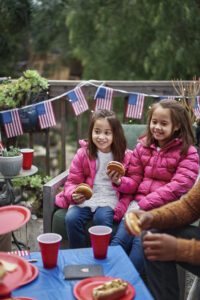
Culture for kids may be defined as the life humanity lives, consisting of language, celebration of particular holidays, dress code, and food consumption. It also represents what people hold true to, how they act, and how they interact with others.
Envision culture as a gigantic patchwork quilt; it’s a colorful blend of different localities containing stories, values, music, and even traditions.
Culture is constructed of these primary traits:
These are important traits of a culture:
Element Description Language: How people talk and write.e Religion: The nature of beliefs of an individual about life, the world, and a greater being. Foo:d What people eat and how it is done. Clothing Apparel worn by people across various regions
Celebrations: Holidays, Birthdays, and Special Events
Music and Dancing: Celebratory activities done through song and dance.
Art and Symbols: Artistic drawings and sculptures that have special meanings.
Social Rules: Expected mannerisms set by a given society.
Family Roles: The way families operate and associate with each other.
Why Teaching Culture To Kids is Important.
Teaching culture to kids allows them to:
- Develop empathy
- Respect those who differ from them
- Appreciate their heritage
- Build useful communication skills
- Become self-assured and confident in a multicultural country.
Kids equipped with cultural understanding are better placed to deal with school, friendships, and work life. It isn’t merely the acquisition of knowledge, rather, teaching encourages nurturing open-minded, polite, and inquisitive individuals.
Cultural Identity: Knowing Who We Are
Every child, even those who may not recognize it, has a cultural identity that consists of family customs, the language spoken in the household and the cuisine.
Encouraging children to ask:
- What does our family do differently?
- What do we talk about during family gatherings?
- What do we eat on holidays?
Such initiatives help children learn their background and roots, instilling in them courage, pride, while at the same time appreciating others.
Communication and Language of a Culture
Language entails more than just speaking and the use of words.
It’s always a form of interaction, emotion, and socialization.
Common Expressions with Phrases and Words Around the World.
Do you know something as basic as a greeting differs throughout the world? Country | Greeting Japan | Bowing France | Kisses on the cheeks India | Saying Namaste with hands together USA | Wave or Shake hands
Teach your children some greetings in other languages. It makes for a great ice breaker and is fun!
Culinary as well as Attire Expressions of Cultures
Food and Clothing as Cultural Expressions
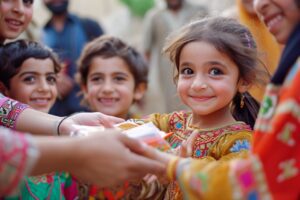
Culture is delicious! A meal gives an insight of one’s origins. Similarly, customary clothes show the richness of various societies. The beautiful shalwar kameez of Pakistan and Kimonos of Japan are laced with culture and pride.
Famous Dishes Around The World Country | Famous Dish Italy | Pizza Mexico | Tacos India | Biryani China | Dumplings Nigeria | Jollof rice
It would be interesting if you prepared one of those meals and learn the culture that comes with it!
Celebrations and Festivals: An Amusing Culture Learning Technique
Learning a culture through its festival is fascinating. They involve colorful lights, songs, foods, and dressed-up characters from ancient times.
Notable Cultural Holidays for Children • Diwali (India): Festival of lights
- Christmas (Christian communities): The festivity marks the birth of Jesus Christ.
- Eid-ul-Fitr (Muslim communities): Celebrating the conclusion of fasting during Ramadan.
- Chinese New Year (China): Celebrating the start of a new year with dragon dances, food, and red packages.
- Hanukkah (Jewish communities): Eight days of receiving gifts and lighting lamps.
Each celebration is an opportunity to learn something new and share in the happiness of others.
Stories, Songs, and Art in Culture
Stories, Songs, and Art in Culture. Stories help to instill traditions and values into the minds of children from very early on. Every culture or society has its folklore, songs, and artwork that are distinct to it.
Folk Tales and Cultural Music
Folk Tales and Cultural Music. For example: • An African fable, “The Lion and the Rabbi,” teaches cleverness and wisdom. • A Greek fable, “The Tortoise and the Hare,” teaches patience and persistence.
There are also numerous songs in different languages which, when listened to can ignite creativity. Crafts such as origami or henna also serve an educational purpose and fuel the imagination.
How Toys and Games Reflect Culture
Ever notice how toys quietly share stories about where we live? Around the world, playthings tell kids and grown-ups about different cultures.
In some places, kids hug wooden animals shaped by loving hands; in others, they stack bright puzzles, spin dolls in silk, or tap a smooth top on a string. A child in Mexico might shake a Lotería card, calling out “La luna!” in a happy shout. A child in Japan might land a ball in a cup with one swift flick, then fold a paper crane while waiting.
These little choices—colors, shapes, even the sounds—show how the world hands us its values while we play. To open a window to other cultures in your home or class, just add a few toys from faraway lands. Watch how curiosity and conversation blossom.
Mini World Tour Activity for Kids
Here’s a cheerful project to travel the world without packing a suitcase: make a “Mini World Tour” display or scrapbook.
Pick 5 to 10 countries and invite kids to dig in. Together, explore:
– What people wear
– What meals make smiles
– How they say hello
– One sparkling holiday or fun fact
Let young artists sketch flags, jot down a word or two, or cut out photos. This colorful project helps little learners stretch their minds to the farthest corners of the globe—creatively, playfully, and together.
Culture Through Music and Dance
Culture is more than just festivals and food. It’s in the music that fills the air and the dances that move the feet!
Start a global listening party. Here are a few sounds to spin:
• African drum circles that pulse like a heartbeat
• Indian classical rhythms that rise and fall like a mountain
• Hawaiian ukulele strums that feel like ocean waves
• Latin salsa beats that want your hips to sway
After the music plays, ask your child how the sounds make them feel. Let them spin, clap, or make shakers from rice and bottles. This way, they feel culture in their bones and in their smiles.
Culture and Emotions: Are They the Same Everywhere?
Culture is also a way to talk about feelings and what we care about.
Start with these questions:
• Do kids in other countries feel sad or happy for the same reasons?
• What is something that all kids seem to love, no matter where they live?
• How do different cultures show the same feelings, like joy or grief?
This talk around the table, or in the car, helps children see that, even with different clothes or food, many feelings and values are the same.
Classroom Tip: Create a Culture Table
If you’re a teacher, turn a corner of your room into a “Culture Table.”
We want all kids to feel excited about their own cultures! Here’s how we can make our classroom a place where everyone’s background shines:
• Ask kids to bring a small, meaningful object from home that shows something about their family’s culture. It could be a bracelet, a photo, or a tiny drum—anything that tells a story.
• Invite them to share a story, a special word, or even a favorite home snack during circle time. Listening to each other helps everyone learn and remember.
• Each month, we can turn our snack table into a new cultural celebration. In September, we’ll have “Africa Month” with bright colors and music. In October, we’ll switch to “Festival Week” with pictures, lanterns, and treats that fit.
These simple activities make learning lively and show kids that their family’s ways matter. When one child tells about Diwali lights or another about a family song, everyone learns a new way to be proud and curious.
FAQs About Culture for Kids
- What is culture for kids in simple words?? Culture for kids is the way people live. This includes their language, the kind of food they eat, music, clothes, how they treat one another, and their festivities.
- Why is culture important for kids to learn? It helps kids understand their identity and learn to respect others. It also fosters open-mindedness, tolerance, and compassion.
- How do you teach culture to children?
You can teach culture through storytelling, celebrations, global holidays, cooking, music, dancing, and dressing up.
- What are some fun ways kids can learn about other cultures?
Children can learn through traditional foods and crafts, folk tales, cultural festivals, and international cartoons.
- Can a child belong to more than one culture?
Of course. A lot of kids live in multicultural families and adopt multiple traditions.
- How does learning culture help with making friends?
Understanding and respecting different cultures helps children accept others and make diverse friendships, strengthening social interactions.
`Conclusion
Learning what culture is for children isn’t simply a school subject — it’s a skill for life. Understanding differences, valuing one’s roots, and navigating a hyper-connected world with kindness and confidence are invaluable gifts a child can receive.
Encouraging exploration through food, language, stories, and festivals helps raise compassionate, informed, and happy children.