
Benefits of boredom for kids go beyond just having nothing to do—it’s a powerful spark for creativity, independence, and problem-solving skills that help children grow in amazing ways.
What Is Boredom?
Boredom is a feeling when you don’t have anything to do or nothing interests you at the moment. It happens when your mind is not busy and you feel restless or tired of doing the same things. Boredom can make you want to find something new or fun to do. It is a natural feeling that sometimes helps your brain take a break and generate creative ideas. It’s time to bring those unforgettable 90s moments back for today’s kids! The days spent picking out a movie at Blockbuster, battling over Monopoly in the living room, or simply lying around “bored”?
There are many Benefits of Boredom for Kids. It encourages children to engage their imagination and develop creative problem-solving skills. For many millennial parents, these memories capture a time when family bonding, creativity, and independence happened without screens or scheduled activities. Today, as modern parenting grapples with constant digital noise and packed calendars, more families are rediscovering the magic of 90s-style childhoods.

What are the Benefits of Boredom for Kids?
Boredom often gets a bad rap, but current research highlights its hidden benefits. When kids aren’t instantly entertained, their minds are free to wander, daydream, and innovate. Psychologist Dr. Sandi Mann found that children use boredom to spark creative ideas; it’s in those “I’m bored!” moments that they invent games, stories, and playful worlds from nothing. This unstructured time supports emotional resilience and problem-solving skills that last a lifetime.
The Board Game Comeback: Social and Cognitive Growth
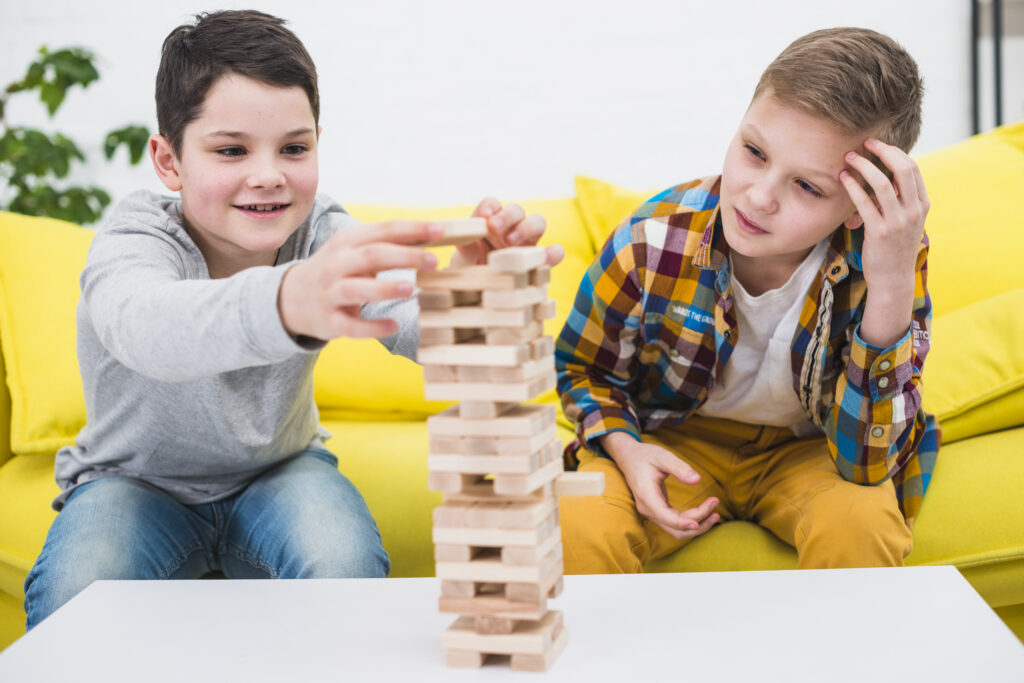
Benefits of Boredom for Kids: Experiencing boredom helps kids learn self-reliance and the ability to entertain themselves without digital devices. Board games were a ’90s staple, and they’re making a strong comeback. Research shows that cooperative and competitive tabletop play teaches kids cooperation, turn-taking, and healthy competition. Board games help children learn patience, teamwork, and rule-following, as well as math, reading, and language skills. Playing together builds relationships, sharpens memory, and develops critical thinking—all away from screens.
Blockbuster Nights and Old-School Movie Magic
Before streaming took over, planning a family trip to Blockbuster was exciting—a shared ritual of negotiation, anticipation, and reward. Recreating these “movie nights” today, complete with popcorn and no phones, revives the special bonding and simple joys that digital marathons can’t match. Outdoor movie nights or living-room pileups with 90s classics like “The Sandlot” or “Matilda” turn everyday evenings into lasting memories.
90s Childhood Activities: Building Independence and Resilience
From backyard water fights to bike rides around the block and blanket forts, the ’90s let kids roam, imagine, and solve their problems. Benefits of Boredom for Kids: Unstructured downtime fosters emotional resilience by teaching children how to cope with discomfort and restlessness. Raising children with a bit more freedom—letting them explore a park, run a lemonade stand, or even just get “bored”—helps them develop self-confidence and community ties. Psychologists call this “self-directed play,” where kids invent rules, navigate challenges, and build real-life skills.

Bringing Back the Fun: How to Create a 90s-Style Childhood Today
You don’t need to ditch technology entirely to revive 90s parenting. Here are some practical tips for millennial families:
-
Designate weekly board game or puzzle nights
-
Encourage backyard adventures, scavenger hunts, or lemonade stands
-
Make “boredom” a regular part of your child’s week to fuel creativity
-
Hold family movie nights with no screens except the main event
-
Invite friends and neighbors for sidewalk chalk tournaments or classic games
-
Limit screens just like in the 90s—choose certain hours or “analog” mornings for tech-free play
The Lasting Benefits
By reviving 90s-style activities—embracing Blockbuster spirit, the timeless joy of board games, and even occasional boredom—millennial parents give their children powerful tools:
-
Increased creativity and problem-solving
-
Improved social skills and emotional resilience
-
Deeper family bonds and shared memories
-
Better focus and self-regulation
-
A healthy antidote to digital overload
MOSTLY ASKED QUESTIONS AND ANSWERS
- How does playing classic board games boost social skills in kids today?
-
Playing classic board games boosts social skills in kids today by encouraging communication, turn-taking, and teamwork. These games teach children to follow rules, manage emotions, and resolve conflicts, fostering empathy and cooperation essential for healthy relationships
2. What are the long-term cognitive benefits of board games for children?
-
The long-term cognitive benefits of board games for children include improved memory, critical thinking, problem-solving, and strategic planning. Regular gameplay stimulates brain development, enhances attention span, and promotes academic skills like math and language.
3. Why is boredom a crucial part of fostering creativity in kids?
-
Boredom is a crucial part of fostering creativity in kids because it pushes them to use their imagination and invent activities independently. Unstructured downtime sparks innovative thinking, emotional resilience, and the ability to entertain themselves without relying on screens or external stimuli.
4. How can nostalgic 90s summer activities inspire modern family bonding and outdoor play?
-
Nostalgic 90s summer activities inspire modern family bonding and outdoor play by bringing simple, screen-free fun back into daily life. These activities encourage exploration, physical movement, and shared experiences, strengthening family connections and promoting healthy, active lifestyles.
5. In what ways does reviving 90s childhood activities combat digital overexposure in kids?
-
Reviving 90s childhood activities combats digital overexposure in kids by providing engaging alternatives to screen time. Encouraging board games, outdoor play, and creative boredom limits excessive device use, reducing eye strain, improving focus, and fostering real-world social interactions.
Conclusion
- Reviving the simple joys of Blockbuster nights, board games, and even boredom offers millennial parents a powerful way to reconnect their families in today’s fast-paced, digital world. These 90s-style childhood activities not only foster creativity, social skills, and cognitive growth in children but also build lasting family bonds through shared, screen-free experiences. By embracing these timeless traditions, modern families can create a balanced, joyful environment that nurtures independence and resilience while providing a much-needed break from digital overload. Bringing back the spirit of the 90s isn’t just nostalgia—it’s a meaningful step toward healthier, happier childhoods and stronger family connections.
Bringing back the simple joys of the 90s isn’t about reliving the past—it’s about equipping today’s kids with the confidence, independence, and connection every generation needs to thrive