
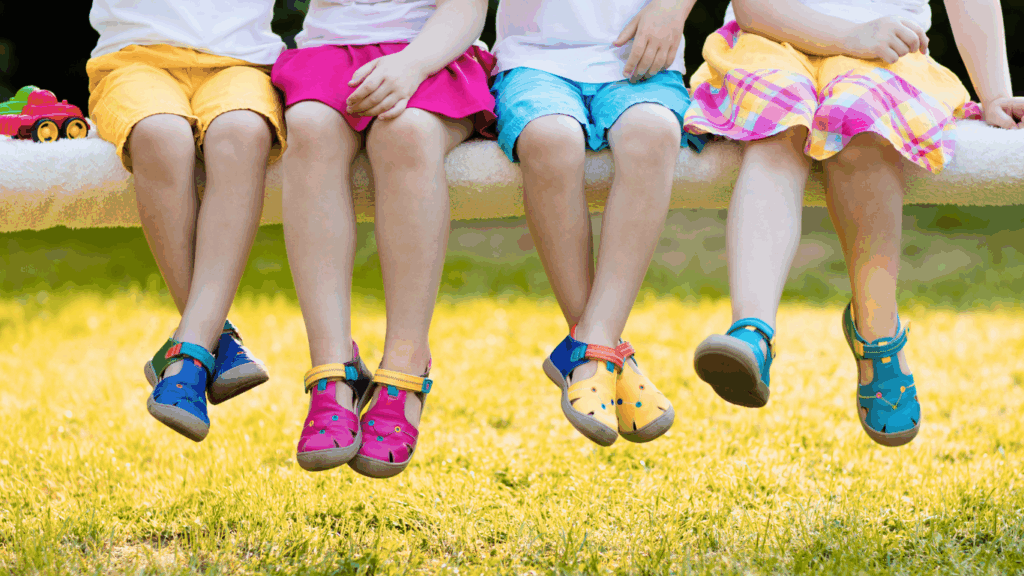
This simple guide assists parents in the USA in selecting shoes that will keep their children’s feet happy, healthy, and prepared for every adventure.
Choosing the best shoes for kids shouldn’t be a guessing game.
Choosing the best shoes for kids is more crucial than most parents realize when it comes to your child’s comfort, self-assurance, and everyday mobility. Children play hard, grow quickly, and require shoes that support their growing muscles, bones, and gait. Particularly in the early growth years, poor shoes can cause blisters, imbalance, foot pain, or long-term posture problems.
Pediatric professionals in the USA advise choosing shoes that promote healthy walking habits, permit natural movement, and keep children comfortable at play, at home, and at school.
In addition to protecting the foot, well-fitting shoes improve independence, stability, and balance.
From fit and materials to long-tail subjects like the best shoes for kids with wide feet and the best shoes for kids for school, this guide will walk you through everything parents need to know.
Important Elements of the Greatest Shoes for Children That Every Parent Should Consider
Knowing what makes a shoe safe, supportive, and comfortable is essential when choosing the best shoes for kids. What matters is this:
Appropriate Sizing and Fit
The cornerstone of healthy foot development is a properly fitting shoe. Children need just enough room to move their toes, but not so much that their feet can slip.
A checklist for the ideal fit
Leave a gap at the front of one thumb’s width.
Make sure the heel doesn’t slip.
Make sure there are no tight spots.
Select shoes that are instantly comfortable.
Every two to three months, measure your feet.
The right fit prevents blisters, pressure points, and walking imbalance—making it easier to choose the best shoes for kids for daily wear.
Support, Cushioning & Flexibility
The best children’s shoes provide protective, well-balanced support that permits unrestricted movement. Flexible soles with soft cushioning are preferable to stiff shoes for children.
Excellent assistance consists of:
A flexible front sole
Support for light arches
Midsole that absorbs shock
Lightweight material
Kids can stay active and comfortable during long school days, sports, and playtime by wearing supportive shoes.
Breathability & Toe Box Shape
Toes can spread naturally, and squishing is avoided with a spacious toe box. For active children in particular, look for breathable materials like mesh, knit, or perforated leather.
Why it’s important
lessens perspiration and odor
keeps fungal infections at bay
Enhances comfort
reduces friction
Always consider the shape and breathability of the toes when choosing the best shoes for children.
Sturdiness & Daily Comfort
Kids are rough on shoes. Shoes last longer thanks to sturdy materials and reinforced stitching, especially for children who enjoy being outside or are active.
Select:
Robust rubber soles
Toe caps with reinforcement
Fabrics that can be washed
Superior stitching
When choosing the best shoes for children to survive school, playgrounds, and sports, durability is crucial.
Various Kids’ Shoe Types (Age-Wise Breakdown)
The ideal shoes for children differ because each age group has different needs.
Infants’ and early walkers’ shoes
Soft-soled shoes that protect without limiting mobility are essential for babies.
Search for:
Adaptable soles
lightweight materials
Fabric that breathes
Straps that are simple to close
At this point, structured or heavy shoes are not necessary.
Toddler Shoes (1-4 Years)
Toddlers run, jump, and climb quickly. They require flexible, supportive footwear.
Perfect attributes:
Velcro fasteners
Non-slip outsoles
Mesh that breathes
Additional protection for the toes
Choose shoes with adjustable straps and wide toe boxes, if necessary, as parents often seek the best shoes for toddlers with wide feet.
School-Age Children’s Shoes (5–12 Years)
Shoes should now strike a balance between comfort, style, and durability.
Most advised:
Running in lightweight shoes
durable soles
Children of this age require the best shoes that encourage active school days.
Sports & Active Kids’ Shoes
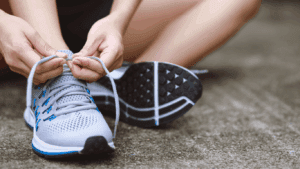
Sports-specific footwear enhances performance and lowers injury rates.
For instance:
Track running shoes
Soccer cleats
Basketball court shoes
A Step-by-Step Guide to Measuring Your Child’s Feet at Home
Purchasing the best shoes for children is ensured by accurate measurement.
Procedure:
Press the paper up against a wall.
Ask your child to stand with their heel against the wall.
Note which toe is the longest.
Use a ruler to measure
Compare shoe size charts.
Every two to three months, repeat
When you shop online, this method guarantees accuracy.
The Best Materials for Children’s Shoes
Comfort, breathability, durability, and safety are all impacted by material.
Top resources:
Mesh
Knit textiles
Leather
EVA soles with rubber
When selecting the best shoes for children, these materials guarantee both comfort and protection.
Using Foot Type to Select the Best Shoes for Children
You can choose the ideal pair if you are aware of your child’s foot type.
H3: Level Feet
Search for:
Support for light arches
sturdy heel counter
Adaptable midsole
Broad Feet
Select footwear with the label:
Broad (W)
Extra wide (XW)
Adjustable straps
When searching for the best shoes for kids, this is a common consideration.
Elevated Arches
Select shoes that are shock-absorbing and cushioned.
Top Children’s Shoes for Everyday Use, Sports, and School
Typically, parents look for:
The best school shoes for children
Kids’ top sports shoes
The best shoes for kids for daily use
This guide suggests lightweight, breathable sneakers with flexible soles and a firm grip.
Typical Errors Parents Make When Purchasing Children’s Shoes
Refrain from:
Purchasing shoes that are too large “for future growth”
Selecting heavy or rigid footwear
Disregarding heel slippage
Not evaluating the quality of the materials
Purchasing without measuring
Making informed decisions guarantees that you always get the best shoes for kids.
FAQs
Q1. How frequently should my child’s shoes be replaced?
When the toes reach the front, or every three to six months.
Q2. What kind of shoes are ideal for young children?
Velcro-strapped shoes that are flexible and light.
Q3. How can I tell if my shoes fit properly?
Examine your walking comfort, heel stability, and thumb space.
Q4. Are pricey shoes always superior?
Not always. Fit is more important than cost.
Q5. Do children need to wear arch support?
Shoes that are too rigid are not advised, but light support is good.
Q6. Where in the United States is the best place to buy children’s shoes?
Reputable retailers include Zappos, Target, Nike, and Stride Rite.
Conclusion
Choosing the best shoes for children doesn’t have to be difficult. Finding shoes that support growing feet is simple for parents if they prioritize comfort, fit, flexibility, and durability. Continue taking measurements regularly, select high-quality materials, and take your child’s activity level and foot shape into account. You can make confident decisions and maintain the health and happiness of your child’s feet with the help of this guide.