
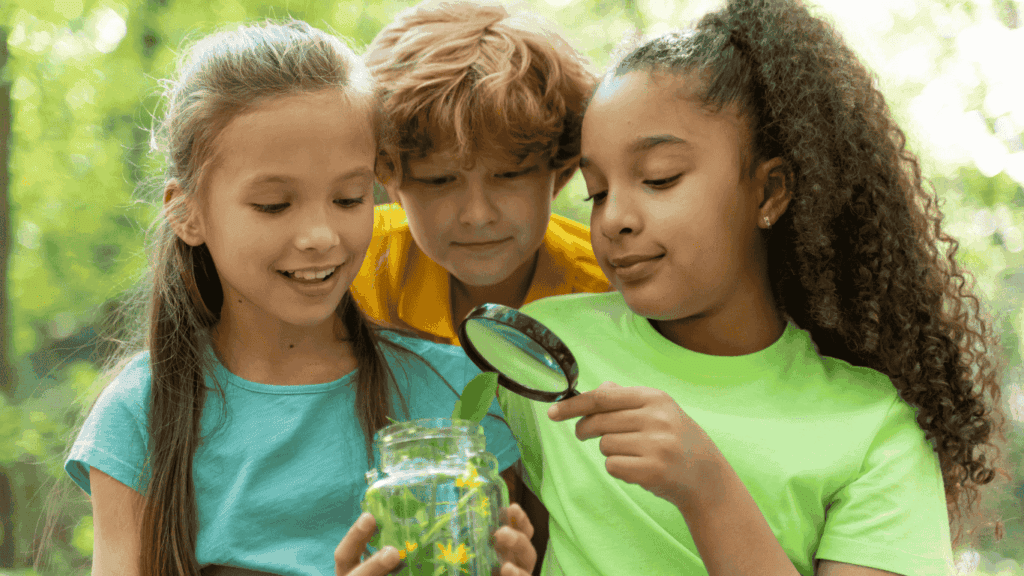
Eco-friendly activities for kids turn playtime into an exciting lesson about Earth care. Simple ideas like planting seedlings, making crafts from bottle caps, or scavenging the backyard for insects give children a real sense of how their actions matter. When parents or teachers weave these projects into the weekly rhythm, a small habit of today can blossom into a lifelong promise for tomorrow. Best of all, toddlers through teens can join in; every age group finds an easy, creative, hands-on way to help the planet grow.
Eco-friendly activities for kids are the conscious choice to care for our planet through simple, everyday actions. Let’s Raise Little Planet Heroes! Teaching kids how to care for Earth doesn’t have to be dull. With a little spin, you can turn everyday chores into a game and make saving the planet feel exciting.
Why Is It Necessary to teach eco-friendly activities for kids at an early age?
Kids soak up everything around them, almost like living sponges. When we show them green habits now, we give them the tools to choose wisely and look after the world later. Understanding small things, like using less water or picking up litter, also helps them grow into kind, aware adults.
Did You Know? Children who wander outside and join nature-friendly activities for kids tend to protect the environment more when they become adults.

1. Start With the 3 R’s: Reduce, Reuse, Recycle
The three R’s are a simple starting point for teaching kids how to be kind to the planet.
R What It Means Kid-Friendly Tip
Reduce use less. Turn off lights when not in use.
Reuse, use again, Repurpose containers for crafts.
Recycle to make new.w Sort plastics, paper, and cans.
Make it a daily habit! Let them wear the badge of “Recycling Ranger” and stick bright labels on every bin around the house. Ask them to pause before tossing something: Can I use this again, or does it need to go in the trash?
2. Make Trash Clean-Up a Game
The next family walk is a great chance to turn litter-pick-up into a fun contest. Grab a cloth bag, pull on some gloves, and call it a “trash treasure hunt.” See who can collect the most bits of rubbish by the end of the street.
Learning Moment: Chat about where trash ends up, how it clogs rivers, and why picking up someone else’s mess also helps wildlife.
Pro Tip: Keep a close eye on little hands so they dodge broken glass or anything sharp.
3. Get Creative With Eco-Crafts and Eco-Art Projects
Old boxes, toilet rolls, and bottle caps shouldn’t be junk—they’re future art projects. Set up a labeled “reuse bin” in a cupboard so you’re ready when inspiration strikes.
• Make playful robots or quirky animals using old boxes, bottle caps, and scraps.
• Mix avocado pits, turmeric, or beet peels to paint pictures with homemade natural dyes.
• Use popsicle sticks to craft simple plant markers for a garden or windowsill.
This mash-up of trash-to-treasure projects cuts waste and fires up kids’ imaginations. They love watching something they thought was garbage turn into a cool creation.These eco-friendly activities for kids are not just entertaining—they’re a fantastic way to nurture environmental awareness and hands-on learning from an early age
4. Plant A Garden Together
Getting dirt under your nails can teach a pile of lessons. A small garden shows kids where food starts, how living things grow, and why home-grown meals beat store-bought wrappers.
What Kids Learn:
• Responsibility for daily watering and light weeding.
• Patience when seeds slowly sprout.
• Gratitude for the way nature provides fresh snacks.
Mini Project: Start with easy, fast plants like cherry tomatoes, fragrant basil, or towering sunflowers. If space is tight, pot herbs on a sunny windowsill and snip them into dinner.
5. Go on Nature Walks & Outdoor Adventures
Nothing sparks love for the Earth quite like spending real time outside. Pack a snack and head to the closest park, garden, beach, or forest trail.
Outdoor Ideas:
• Set up a nature scavenger hunt with a simple checklist.
• Lie on the grass and watch clouds drift into funny shapes.
• Collect leaves and do quick rubbings with crayons.
• Bring binoculars to spot birds, bugs, or distant deer.
When kids play in nature, they bond with it and, later, want to protect it.
6. Use Storytelling to Teach Sustainability
Finish your day with a story or film night about caring for the planet. A good book or short video can break down big ideas like recycling, pollution, or climate change into tales kids understand.
Great Picks
The Lorax by Dr. Seuss
One Plastic Bag by Miranda Paul
National Geographic Kids YouTube channel
Choose one book or video each week and turn story time into a green mini-lesson. Afterward, ask, “What can WE do to help like the character?”
7. Build a DIY Compost Bin
Composting is cool! Old fruit peels and coffee grounds slowly change into fresh soil. Watching that magic keeps kids curious.
Easy compost starters:
– Fruit and veggie scraps
– Coffee grounds
– Leaves and grass.
Avoid Meat, dairy, or anything greasy.
Pick a clear plastic bin so little gardeners can see inside-or try a worm bin for extra giggles.
8. Host a “Green Day” at Home
Celebrate sustainability by planning a fun-filled “Green Day” at home packed with eco-friendly activities for kids. Choose one day each week to live as green as you can. Turn off extra lights, skip single-use plastic, eat zero meat, and put screens away for the day.
Green Day Challenge Ideas
. Eat lunch on the porch using your metal and bamboo dishes.
. Make collages with leaves, sticks, and rocks you find in the yard.
. Set a few candles on the table and read together while the sun goes down.
. Appoint a kid as Captain Green who reminds everyone to recycle and turn off lights.
9. Support Local Businesses Together
Swap the supermarket run for a trip to the Saturday farmers’ market. Let children choose apples or carrots and chat with the people who grew them. Explain that food grown nearby travels less, so it needs less plastic and uses less gas.
You can also:
* Pick up hand-painted wooden toys from a local craftsperson.
* Fill old bottles at a station that sells shampoo or dish soap by weight.
* Buy a cup of lemonade or a friendship bracelet from the kid at the corner.
10. Join Environmental Programs like Junior Ranger
Scout your nearest national park or state trail for Junior Ranger days. Kids get a small booklet with easy games, like spotting animal tracks or counting trees, and when they finish, a smiling ranger gives them a badge.
Benefits
*Kids who learn about nature and conservation feel connected to the Earth.*
*Getting involved with local parks helps them see that caring for nature happens right in their own neighborhood.*
*These experiences also build personal pride and a sense of responsibility that lasts a lifetime.*
*And don’t forget to search for community eco clubs, summer camps, or clean-up days they can join!*
Common Mistakes to Avoid When Teaching Kids Sustainability
*Sharing too many doom-and-gloom facts makes kids anxious, so always pair problems with hopeful solutions.*
*Explain the reason behind each action so they understand how tiny steps add up.*
*Recycle, yes, but stress cutting waste first and reusing whenever possible.*
*Show green behavior yourself; kids watch and often copy.*
*Make activities playful-not schoolwork-and celebrate little victories on the journey.*
FAQs About Teaching an Eco-Friendly Lifestyle to Kids
1. At what age should I start teaching my child about sustainability?
*You can begin with toddlers through simple acts like switching off lights or using jars instead of plastic bags.*
2. How do I keep eco-friendly activities for kids fun and engaging?
*Blend games, crafty projects, and nature walks; the more play is involved, the longer children stay excited.*
3. What if my child doesn’t seem interested?
*Keep modeling the habits, cheer every small effort, and match activities to their hobbies-whether art, science, or animals.*
4. Can living green change anything?
Yes! Tiny switches multiply when passed down, turning personal effort into a big impact.
5. How do I tell little ones about climate change?
Say, some stuff we do hurts the Earth. Let’s start doing more stuff that helps.
6. Where can I find tools to teach kids about being green?
Check out National Geographic’s kid site, Earth Day handouts, nearby nature classes, and planet-friendly kids’ books.
7. What are the fun outdoor, eco-friendly activities for Kids?
Kids love being outside, and simple nature walks, tree-planting events, or family gardens add a green twist. While they dig in the dirt or spot butterflies, children pick up little lessons about saving plants and respecting wildlife. Movement, fresh air, and easy literacy about the planet roll together in a way that feels like play, not class.
8. What are the eco-friendly activities for kids in school?
At school, cleanup walks, classroom recycling charts, or joining an eco-club let kids see teamwork in action. Watching the collected trash shrink and the paper stock grow sparks pride, while hands-on projects explain that small habits shape bigger Earth decisions. Teachers often notice added focus when children chase real, visible goals together.
4. What are the challenging Activities for Older Students?
High-schoolers ready for a test can tackle themed weeks—no plastic, zero-waste lunches, or bike-only days. Planning their drives forces teenagers to brainstorm, budget, and problem-solve, while upcycling clothes or gadgets shows that thrifty can be cool. Most powerful, shared wins remind them that responsibility isn’t a chore; it’s the best kind of adventure.
Conclusion
Raising green-minded kids may be the best gift we can give our planet. With a pinch of playfulness, your living room can turn into a workshop of curiosity and care. remember, every step big or tiny counts. and when children learn to love the Earth, theyll carry that love into adulthood.