
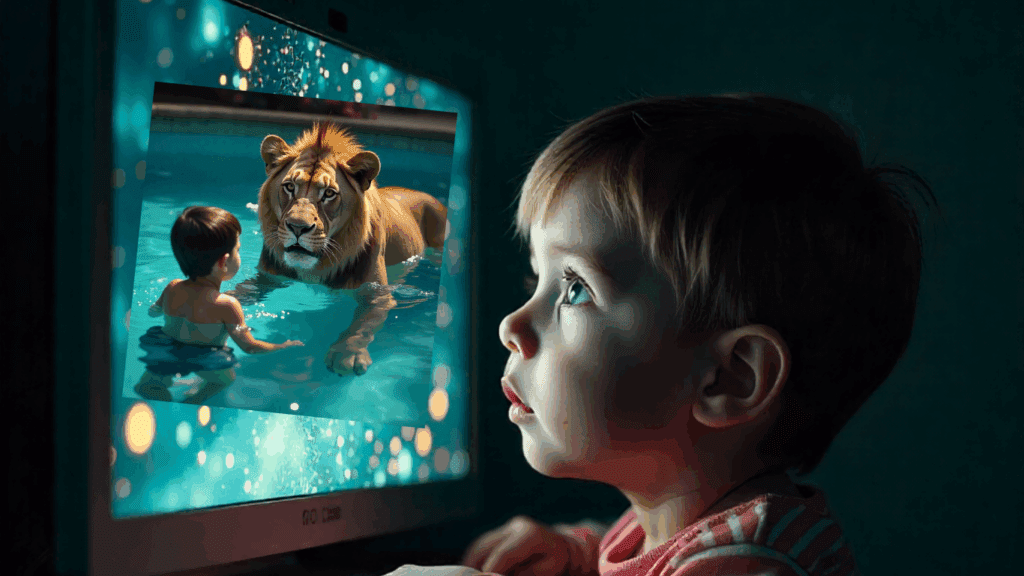
How to Explain Deepfake Videos to Kids without confusing them — a smart parent’s guide to building digital awareness early.
Understanding AI, Digital Safety, and Truth in the Age of Technology
Imagine your child watching a video where their favorite celebrity says something shocking — only to discover it was never really said.
That’s the world we’re living in today.
We scroll through TikTok, YouTube, and social media every day, but what if what we see isn’t real at all? Welcome to the world of deepfake videos — ultra-realistic fake videos made using artificial intelligence (AI).

For adults, distinguishing between what’s real and what’s fake can be tricky, but it’s possible. For children, though, it’s much harder. Kids often believe “seeing is believing.” That’s why parents need to know how to explain deepfake videos to kids — simply, honestly, and in ways that help them stay safe online.
This parenting guide will teach you what deepfakes are, why they matter, and how to protect your children from misinformation while building their digital literacy and confidence.
What Are Deepfake Videos?
Before we talk about how to explain deepfake videos to kids, let’s understand what they really are.
A deepfake is a video, picture, or voice clip that has been digitally altered using AI to make it look like someone said or did something they never actually did.
Here’s how it works:
-
AI studies thousands of images or voice clips of a person.
-
It learns their expressions, gestures, and speech patterns.
-
Then it creates a new version — one that looks perfectly real, but is totally fake.
Think of it as digital puppetry — except the puppet looks and sounds like a real person.
Examples Kids Might See Online
Children may see deepfakes in:
-
Funny TikTok or YouTube edits of cartoons or celebrities
-
Fake “breaking news” videos on social media
-
Altered audio clips in games or memes
At first glance, these might look harmless. But when fake content spreads lies, it can shape a child’s thoughts, fears, or even behavior. That’s why deepfake awareness for families has become essential today.

Why Parents Must Care About Deepfakes
-
They confuse reality.
Children are still learning to tell fact from fiction. Deepfakes make it harder. -
They can be used for bullying.
Fake videos can embarrass or harm kids emotionally. -
They spread misinformation.
Deepfakes can create false stories or fake news that mislead people. -
They break trust.
If kids start believing that everything could be fake, they may stop trusting even reliable information.
This is where your parenting guide for technology begins — by teaching your children awareness, not fear.
How to Explain Deepfakes to Children (by Age)
Ages 5–8: Keep It Simple and Fun
Use stories and examples they know.
“Sometimes people use computers to make funny videos where someone’s face or voice changes. It’s like a magic trick — it looks real, but it’s pretend.”
Compare deepfakes to cartoons or animated movies. Explain that they’re made-up for fun, but not always true. Encourage questions like,
“Is this real or made up?”
This builds early digital literacy for parents and kids together.
Ages 9–12: Teach Curiosity and Critical Thinking
At this age, kids love exploring new things online. Show them short educational clips of deepfakes. Ask questions such as:
-
“What makes this video look real?”
-
“Why would someone make this?”
Introduce simple tech awareness: tell them that computers can “trick” our eyes and ears.
Encourage them to check the source before sharing anything — a key part of teaching kids about online safety.
Ages 13+ (Teens): Discuss Responsibility and Ethics
Teenagers are often creators and sharers. Talk about:
-
Why deepfakes exist — for humor, politics, or even harm.
-
How sharing fake content can hurt others.
-
The importance of thinking before posting or forwarding.
This stage is ideal for introducing deepfake education and discussions about AI safety for kids who are entering social media spaces.
How Parents Can Protect Kids from Fake Videos and Misinformation
1. Make Media Talks a Daily Habit
Ask casually during dinner:
“Did you see any weird or funny videos today? Do you think they were real?”
This keeps conversations open and helps children share what they see.
2. Teach “Pause Before Share”
Tell them:
“If you’re not sure it’s true, don’t share it.”
Simple rules go a long way in stopping the spread of fake videos and misinformation.
3. Use Parental Controls
For younger kids, restrict access to apps where deepfakes or viral edits often spread.
4. Be a Role Model
Children copy what they see. Before forwarding a video or rumor, check it yourself. Lead by example.
AI Isn’t Always the Enemy
Artificial intelligence also powers fun and helpful tools your child already uses:
-
Voice assistants like Alexa or Siri
-
AI homework helpers
-
Funny photo filters or cartoon effects
So when learning how to explain deepfake videos to kids, remind them that AI can be good when used responsibly. The goal isn’t to fear technology — it’s to understand and use it wisely.
Smart Conversation Starters for Parents
To boost online media awareness, start with open-ended questions:
-
“Have you seen a video that looked too strange to be real?”
-
“What makes a video believable to you?”
-
“How can we check if a video is real?”
-
“What should we do if someone shares a weird video about a celebrity or classmate?”
These small conversations build lifelong habits of critical thinking and empathy.
Tools That Help Spot Deepfakes
You don’t need to be a tech expert. These free tools help you and your teens detect fake videos:
-
Reality Defender: Flags AI-generated content
-
Deepware Scanner: Checks videos for manipulation
-
InVID: Used by journalists for video verification
-
Google Reverse Image Search: Finds if an image appears elsewhere
Exploring these tools together turns kids into digital detectives — a fun and educational way to boost deepfake awareness for families.
Fun Ways to Teach Deepfake Awareness at Home
-
Spot-the-Fake Challenge
Show your kids two similar videos or pictures — one real, one fake. Ask them to guess which is which. -
Family Fact-Check Night
Pick a trending story or viral clip and research together if it’s true. -
Create a Harmless Deepfake Together
Use fun filters or voice changers, then explain how easily media can be edited.
These activities turn lessons about AI safety for kids into interactive family fun.
Teaching Digital Empathy
Tell your children that behind every video is a real person. Sharing fake or edited content can hurt someone’s feelings or reputation.
“Just because we can make or share something doesn’t mean we should.”
Digital empathy helps kids become kind, thoughtful, and aware online citizens — the real goal of digital literacy for parents and kids alike.
How Schools Can Support Deepfake Education
Many U.S. schools are starting programs on digital literacy and deepfake education. Parents can:
-
Ask teachers if these lessons are part of the curriculum.
-
Suggest including AI and media awareness in computer or ethics classes.
-
Encourage teamwork between teachers and families for safer tech use.
This partnership ensures that both home and school teach the same core message: think before you believe.
Keeping the Discussion Fresh
Technology evolves quickly. New AI tools appear every few months, so revisit the topic often. Use real examples from news or social media:
“This video is going viral — do you think it’s real or fake?”
Staying updated helps your kids build long-term online media awareness and confidence.