
Table of Contents:
- Why Engage in Active Parenting
- Reserve Daily One-on-One Interaction Time.
- Foster Active Listening Skills
- Foster the Creation of Daily Activities Together
- Encourage Open Conversations With Children
- Get Involved in Their Hobbies
- Cook and Eat Together as a Family
- Outdoor Activities Together
- Assist in Homework and School Projects
- Be There for Important Milestones
- Employ Positive Discipline
- Limit Screens—For Everyone
- Recognize Small Steps
- Model Desired Behavior
- Adapt to Their Changing Needs
Active Parenting Questions
How much time should I spend with my child daily?
Can working parents still be active?
What activities help build a strong parent-child bond?
How do I handle resistance from my child?
Are there any parenting programs or tools I can use?
What is the parent’s advice to their child?
5 characteristics of a good parent?
Parenting tips for parents
Parenting tips for toddlers
Parenting tips for students.
Conclusion.
1. Why Engage in Active Parenting
Effective parenting is about being emotionally supportive, physically present, and engaged throughout the child’s developmental stages. It is about developing a bond that ensures healthy emotional, social, and psychological growth and development.
According to the Child Development Institute, children with parents who actively participate in their lives are likely to be more confident, perform better in academics, and have healthier relationships.

2. Reserve Daily One-on-One Interaction Time
A lack of distraction allows productivity to flourish. Reserving time in the morning or evening to chat with your child will help strengthen your relationship.
3. Foster Active Listening Skills
Listening is a skill on its own. It’s important to show your children that you respect their opinions and contributions. Listening involves eye contact, paraphrasing what the child has said, as well as not interrupting the speaker while they are expressing themselves. When children feel listened to, they will open up more.
4. Foster the Creation of Daily Activities Together
Fostering your child’s participation in planning will build consistency to act as a security anchor. It is good to invite the child to help plan the weekends and any other times they are free.
Examples:
“Family cleaning hour” every Saturday
Shared breakfast prep before school alongside other siblings.

5. Encourage Open Conversations With Children
Create a nonjudgmental environment. This ensures your child can express their opinions, worries, and feelings even if they are in opposition to yours. Whenever you intend to make them understand something, try with stories. For example, if you want to teach them about the culture, start telling stories of different countries’ cultures, e.g., The Lion and the Rabbit (India – Panchatantra Tale)
Conversation Starters:
“What was the most memorable part of your day?”
“In your opinion, what is one rule that can be changed at home?”
6. Get Involved in Their Hobbies
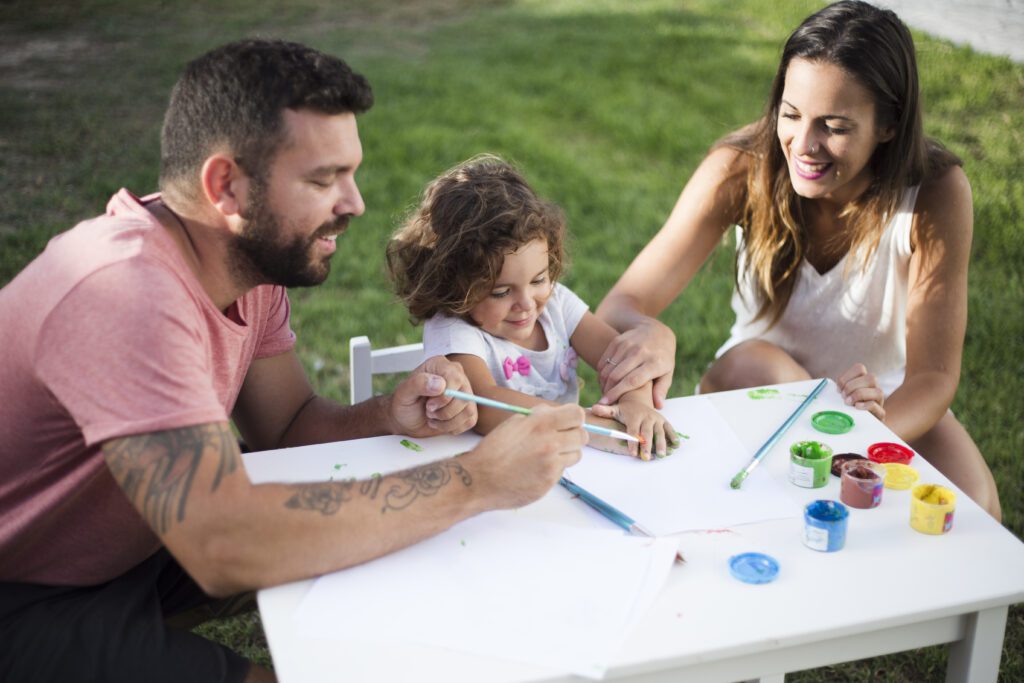
From painting, building with LEGOs, gaming, and dancing–participate! Demonstrate enthusiasm for what they are interested in.
Why It Matters:
This helps you bond faster because you will be doing activities your child loves.
7. Cook and Eat Together as a Family
Sharing food brings people together. It fosters trust and teamwork when activities such as cooking and meal sharing are done together.
Additional Help:
Have young children perform small tasks like stirring the ingredients to help out.
8. Outdoor Activities Together
When you regularly encourage exercising together, you get outdoor time + bonding time.
Ideas:
Walking in nature
Gardening
Biking
Sports in the backyard.

9. Assist in Homework and School Projects
Being there for your child during class time is crucial. Be a part of the activity, do not just monitor. Collaborate and be excited.
Guide, Don’t Solve:
You should lead them instead of giving answers.
10. Be There for Important Milestones
From the first steps, school plays to report cards—your presence matters the most to them.
Do Not Forget:
Even just sending a warm message or a video call is considered attending in spirit.
11. Employ Positive Discipline
Discipline does not equal punishment. Instead, it means teach. Respectfully explain the correct reasoning behind the behavior.
Methods:
Praise inappropriate behavior
Logical consequences
Time-ins vs time-outs
Complimenting inappropriate behavior
12. Limit Screens—For Everyone
Children model adult behavior. Set the expectations and follow them yourself.
Activities to Replace Screen Time:
Storytelling sessions
Puzzle nights
13. Recognize Small Steps
Reinforcing effort is important alongside achievement.
Offer This Feedback:
“I’m proud of how hard you tried.”
“You did a great job cleaning up!”
This is constructive to self-esteem as well as positive reinforcement.
14. Model Desired Behavior
Children learn from your actions. Treat others gently, show perseverance, and demonstrate empathy in ordinary encounters.
Reminder:
Your actions contradict the lectures you give.

15. Adapt to Their Changing Needs
Your child’s development should be linked to your style of parenting. What was effective at age five may not be effective at age twelve.
Quick Tips:
Be interested in their hobbies
Solicit their opinions
Never stop exploring
Active Parenting Questions And Answers.
What does being an active parent entail?
Being involved with the child’s emotional well-being, education, and daily activities. Being there is the key, not perfection.
How much time should I spend with my child daily?
A strong bond can be formed even with 15–30 minutes of undivided attention.
Can working parents still be active?
Absolutely! It’s about the quality of the time spent together, not the length. Employ routines, meals, and bedtime as opportunities to connect.
What activities help build a strong parent-child bond?
Cooking, reading, crafting, playing, and having open conversations foster healthy relationships.
How do I handle resistance from my child?
Stay calm, follow through with your set boundaries, and listen without judgment. Oftentimes, children push back when they feel ignored.
Are there any parenting programs or tools I can use?
Absolutely! Try Positive Parenting Solutions and check out local parenting groups or workshops for additional materials and guidance.
What is Parents’ Advice to Their Child?
Always be kind, honest, and respectful to others. Work hard, stay humble, and never be afraid to follow your dreams. Learn from your mistakes and never stop growing.
5 Characteristics of a Good Parent
A good parent is loving, patient, supportive, consistent, and a great listener. They set boundaries, lead by example, and prioritize their child’s emotional well-being. They create a safe and nurturing environment for growth.
Parenting Tips for Parents
Be present in your child’s life and communicate openly. Use positive discipline and offer emotional support. Encourage independence while providing guidance and structure.
Parenting Tips for Toddlers
Stay calm and consistent when managing tantrums. Offer choices to build decision-making skills. Keep routines predictable and celebrate small achievements to boost confidence.
Parenting Tips for Students
Support your child’s learning without adding pressure. Encourage time management, regular study habits, and a healthy routine. Celebrate their efforts, not just results, to build self-esteem.
Conclusion
Active parenting is not achieved through perfection, but rather through timeless presence, engagement, and consistent involvement. When you show up and listen, you create memorable moments while setting a strong framework for your child’s development. Utilize these 15 methods to transform ordinary moments into treasured memories, and cherish the journey together while capitalizing on your child’s growth potential.